



The Era Of Intelligent Monitoring: Innovation And Development Of Multi-parameter Vital Signs Monitoring System For Veterinary Use
Apr 03, 2025
Xabar QOLDIRISH
OVM
The development of veterinary monitors is closely related to human medical monitoring technology. In the mid-20th century, with the rise of ICUs (intensive care units) in human medicine, technologies such as , gradually matured. The veterinary field initially directly adapted human monitoring equipment for animals, but due to the significant differences between animal physiological parameters (such as heart rate, respiratory rate, and blood pressure range) and humans, these devices often cannot accurately monitor.
DS
1960s-1970s: Early veterinarians tried to use human electrocardiograms (ECGs) to monitor dogs, horses and other animals, but there was a lack of standardized parameters.
1980s-1990s appeared, focusing on monitoring the vital signs of animals under anesthesia.
2000s to present: are popular, which can be adapted to different species (dogs, cats, horses, cattle, poultry, etc.), and integrate multi-parameter monitoring such as blood oxygen (SpO₂), end-tidal carbon dioxide (ETCO₂), and body temperature.
FVM
: To monitor for cardiac arrhythmias (eg, atrial fibrillation in dogs, sinus tachycardia in horses).
: Assess oxygen supply, especially for anesthetized and critically ill animals.
Non-invasive blood pressure (NIBP): measured by cuff, suitable for small and medium-sized animals such as dogs and cats.
: monitor ventilation status to prevent excessive anesthesia or respiratory depression.
: applicable to surgery or infectious diseases (such as canine distemper and feline infectious peritonitis).
Some high-end models: can detect EEG, EMG or hemodynamic parameters (such as cardiac output).

: 5G+IoT technology enables remote monitoring of ranches/pet hospitals.
: predicts animal disease risks (such as arrhythmias before sudden death in horses) through big data analysis.
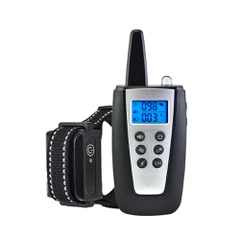
: such as smart collars (monitoring heart rate and body temperature), suitable for dogs, cats and livestock.
Veterinary monitors have evolved from simple modifications of human equipment in the early days to today's multi-parameter, intelligent, species-adapted professional products, which greatly improves the safety of critical care and surgery for animals. In the future, with the integration of telemedicine and AI technology, veterinary monitoring will be more accurate and efficient, becoming one of the core tools of animal medicine.
K
Veterinary multi-parameter patient monitor
Veterinary 15 inch patient monitor
Animal Multi-parameter Monitoring System
So'rov yuborish